(HDPE Duct) High Density Polyethylene Conduit Pipe About
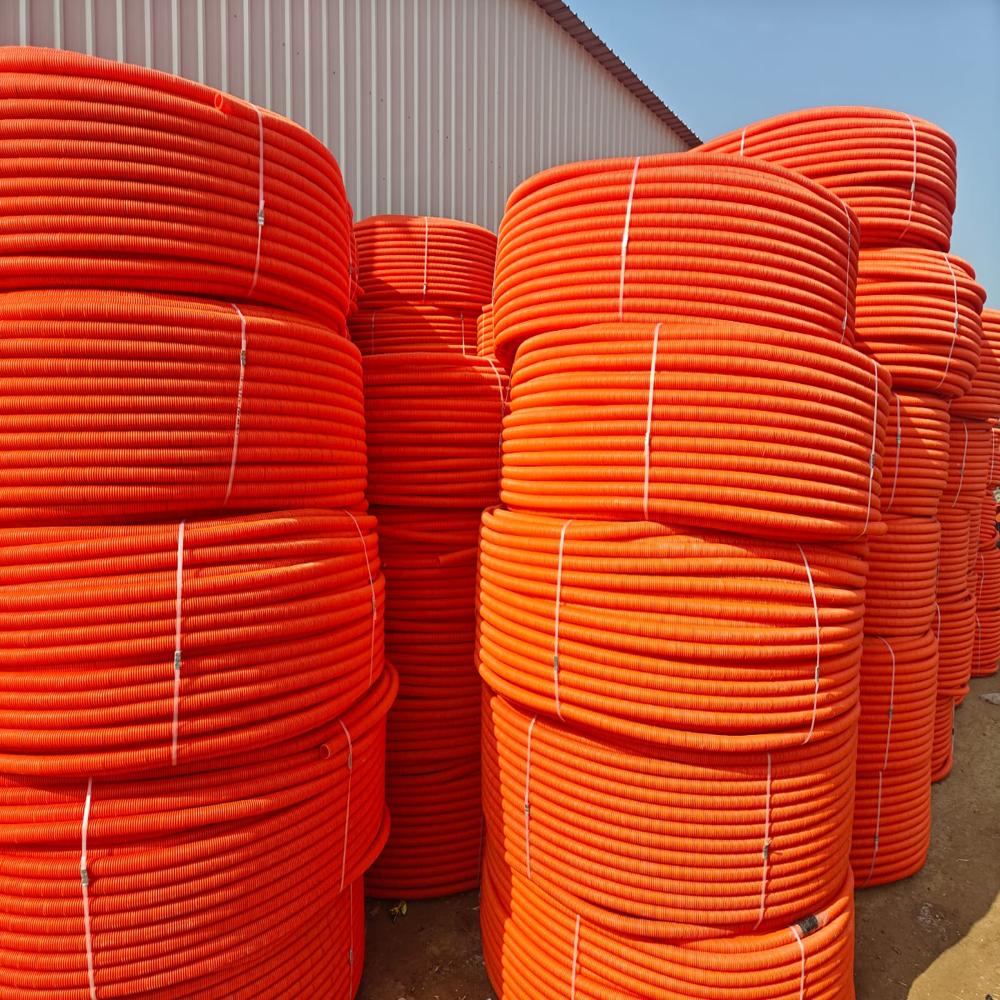
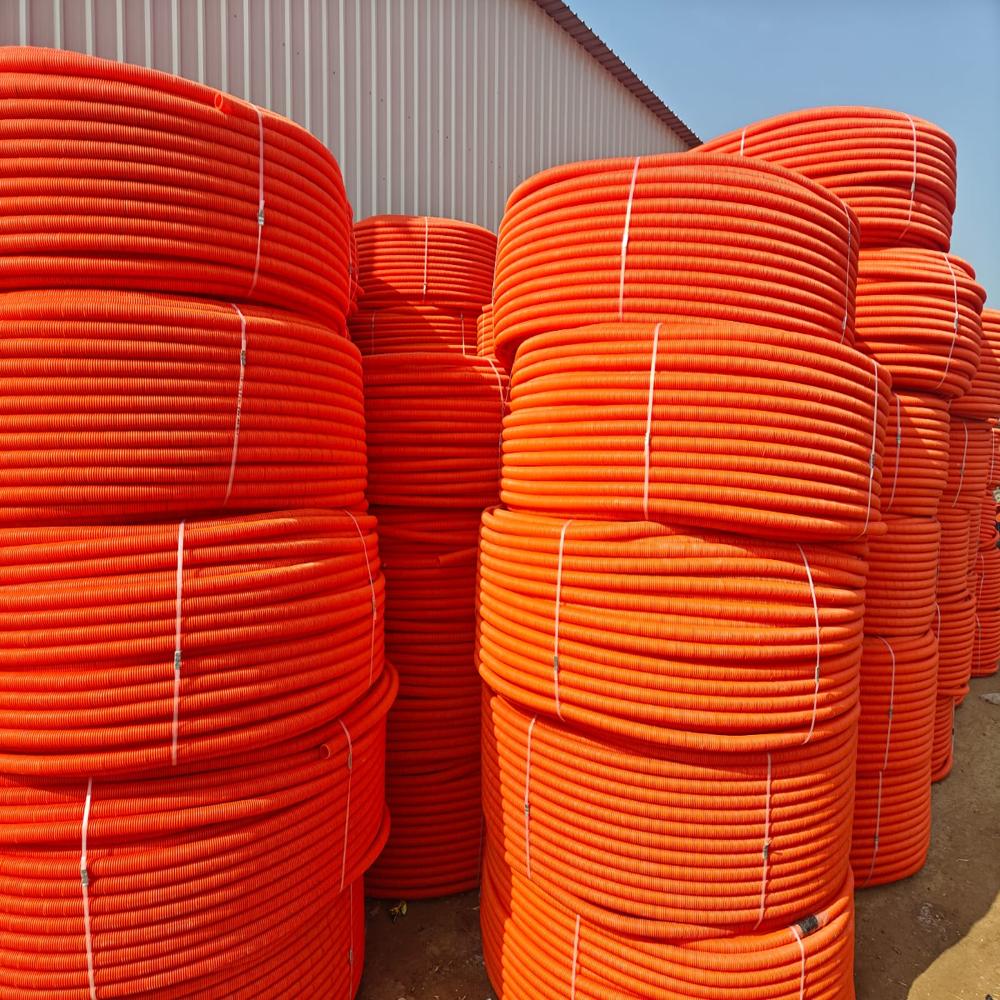
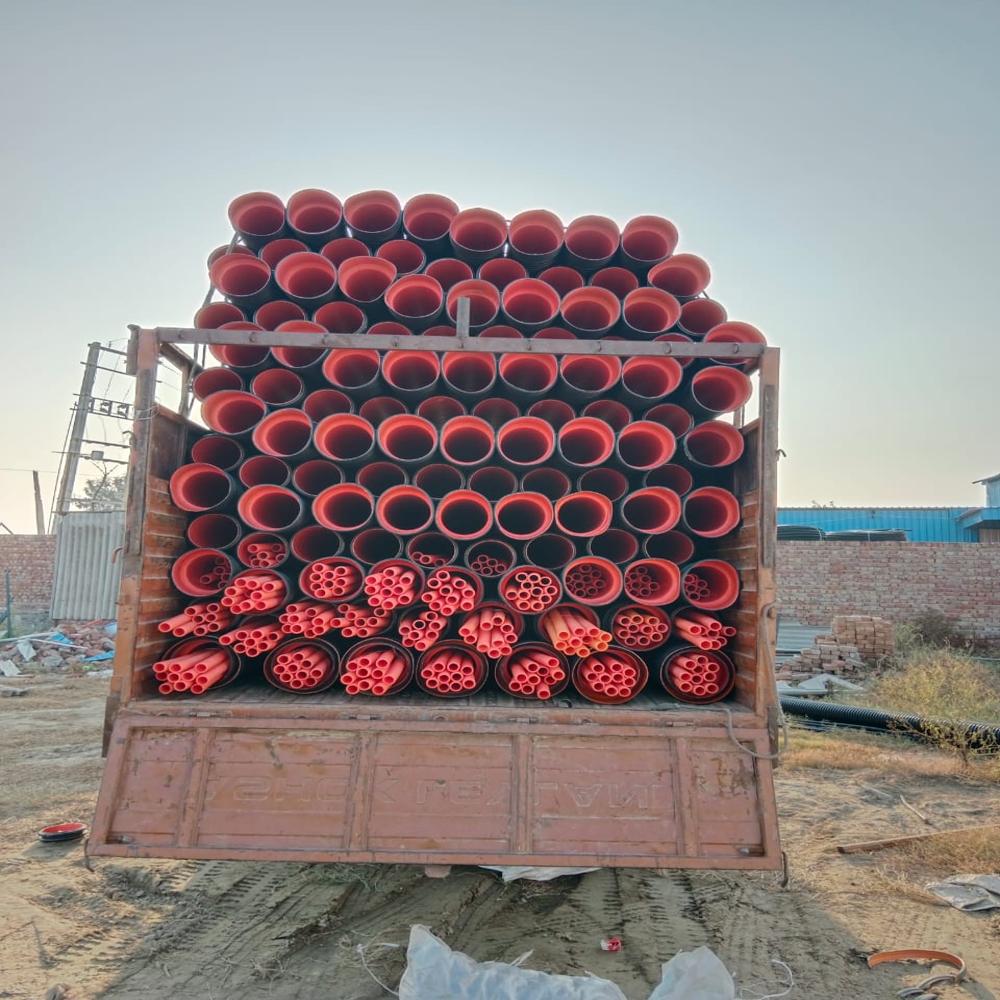
HDPE PLB Duct Pipes are widely used in telecommunications and utility networks. They serve as conduits for optical fiber cables in underground installations, Supporting high-speed data transmission. These pipes are ideal for rural and urban trenches, under sidewalks, and busy roads.
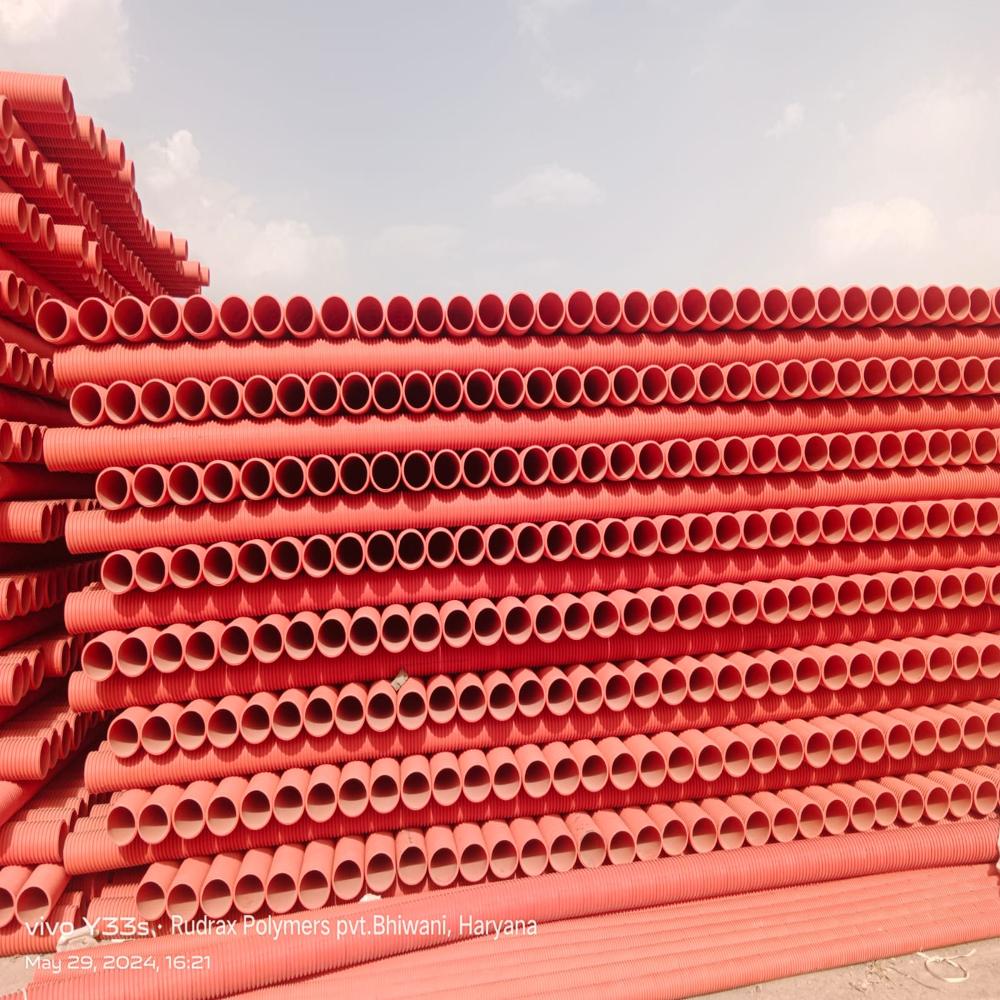
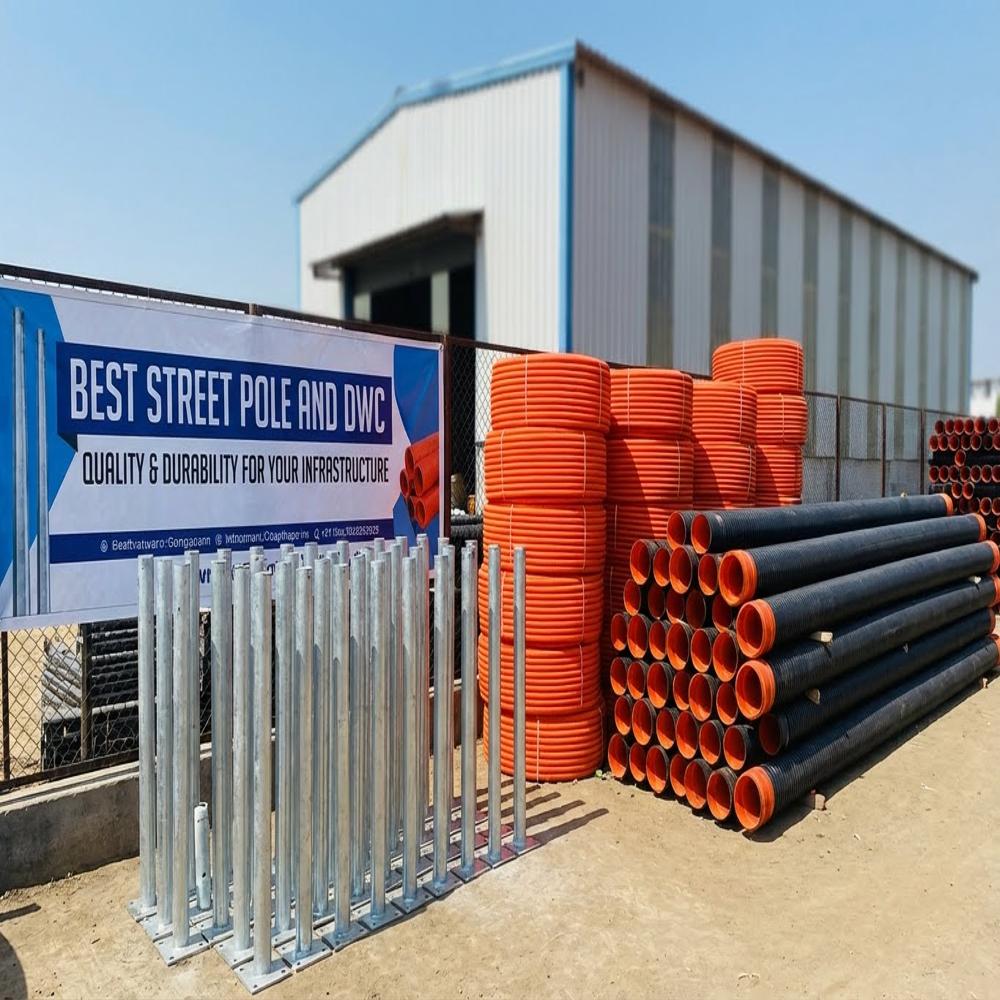
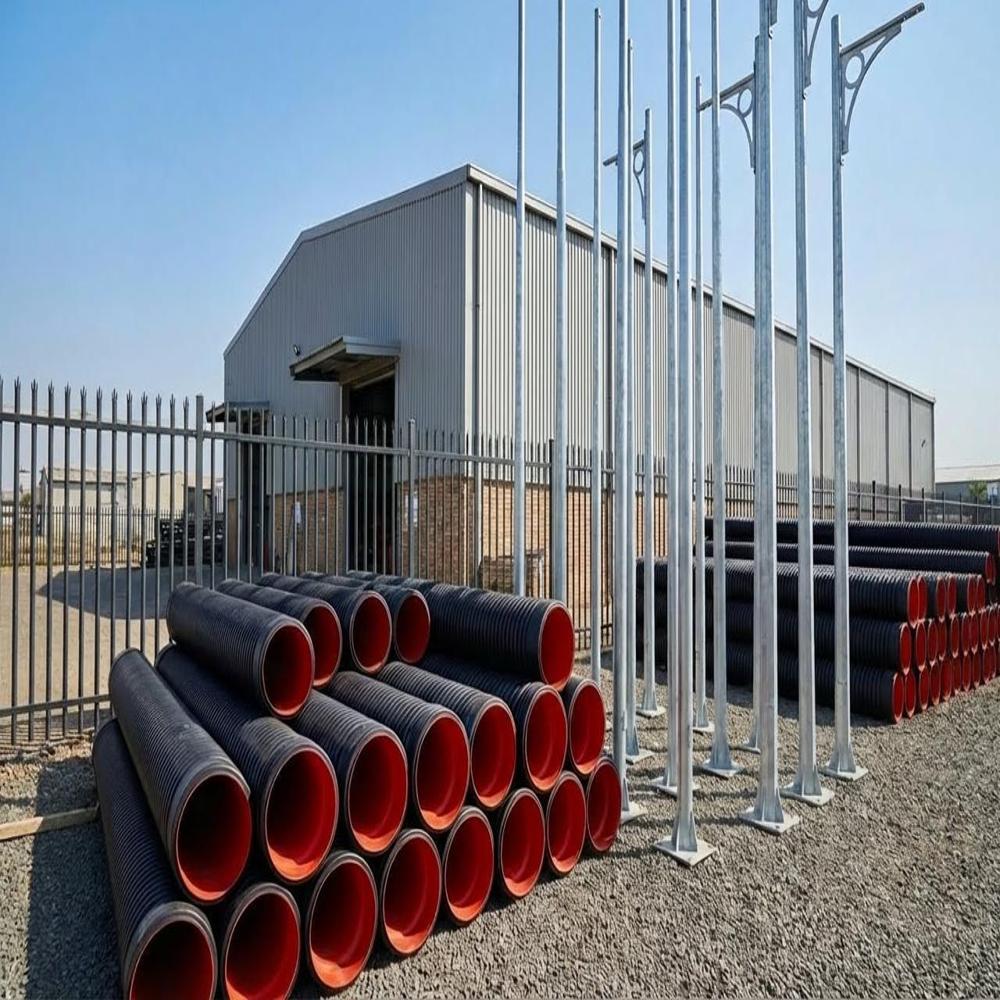
HDPE Duct pipes are flexible, extremely durable plastic pipes used globally to transport fluids and gases. Known for their high strength, corrosion resistance, and leak-free thermal fusion joints, they are the industry standard for water mains, agricultural irrigation, and wastewater management.Exceptional Durability and StrengthEngineered from premium HDPE material, these ducts offer superior impact resistance and tensile strength. The double-wall corrugated (DWC) construction provides high crush resistance, ensuring reliable protection in demanding environments, making them a trusted solution for long-term underground and above-ground fiber cable installations.
Versatile Installation OptionsHDPE Duct Conduit Pipes support multiple mounting types, including mechanical support clamps for wall or above-ground routing and trenchless laying for underground ducting. Their flexible nature and convenient push-fit or butt-welded joints streamline the installation process in diverse telecommunication and network setups.
FAQ's of High Density Polyethylene (HDPE Duct) Conduit Pipe:
Q: How are HDPE Duct Conduit Pipes typically installed in utility networks?
A: HDPE Duct Conduit Pipes can be installed using mechanical support clamps for above-ground or wall mounting, or by trenchless laying methods for underground duct installations, ensuring versatility for various project requirements.
Q: What applications are these HDPE ducts best suited for?
A: These ducts are primarily used for telecommunications and utility networks, serving as protective conduits for optical fiber cables in underground installations where reliable, high-speed data transmission is critical.
Q: What are the benefits of the double wall corrugated (DWC) design in these pipes?
A: The DWC design provides an externally ribbed surface for maximum crush resistance and a smooth inner wall for efficient cable pulling, offering enhanced durability and performance in harsh environments.
Q: When should I use push-fit couplers versus butt-welding joints for connections?
A: Push-fit (mechanical) couplers are ideal for quick, tool-free assembly in most standard setups, while butt-welding (electrofusion) joints are recommended for a seamless, leak-proof installation in underground or high-stress applications.
Q: What range of operating temperatures can these pipes withstand?
A: These HDPE duct pipes can operate efficiently in a wide temperature range of -40C to 60C, making them suitable for diverse climates and challenging field conditions.
Q: What insulation materials are compatible with HDPE Duct Conduit Pipes?
A: Closed-cell elastomeric nitrile rubber (NBR) or cross-linked polyethylene (XLPE) foam are both compatible insulation materials, enhancing the protective and thermal properties around installed cables.



 Send Inquiry

 Send Inquiry